




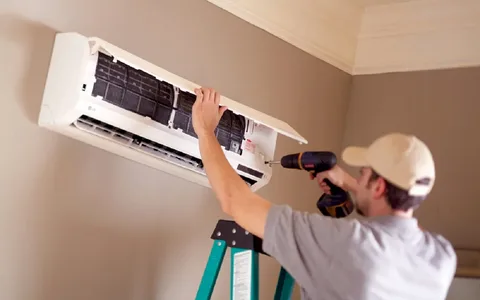
A New Air Conditioner Is More Than Just New Equipment
Many people view air conditioning installation as a simple equipment swap. The old unit comes out, the new one goes in, and the house becomes cooler. In reality, the process involves much more than replacing a machine. The choices made before and during installation can influence energy costs, comfort levels, and system reliability for years.
Understanding what happens behind the scenes helps homeowners participate in the process and make informed decisions instead of relying solely on assumptions.
Your Home Has a Bigger Role Than You Think
An air conditioner does not work independently. Its performance depends heavily on the home it serves. Factors such as insulation, window quality, room layout, and ceiling height all affect cooling efficiency.
A house that struggles to retain cool air may place extra demands on a new system. This is why experienced installers often evaluate the entire indoor environment before recommending equipment. The goal is not simply to install an air conditioner but to create a cooling solution that works well within the unique characteristics of the property.
Installation Day Requires Planning
Many homeowners are surprised to learn that preparation can make the installation process smoother. Technicians often need clear access to indoor and outdoor work areas. Furniture, storage items, and landscaping features may need temporary adjustments to create a safe workspace.
Planning ahead can reduce delays and help technicians focus on completing the project efficiently. It also minimizes the chances of accidental damage to belongings near the installation area.
Location Can Affect Performance
Where an air conditioner is placed matters more than many people realize. Outdoor units need room to release heat effectively. When surrounded by walls, dense plants, or other obstacles, airflow can become restricted.
Indoor equipment also benefits from thoughtful placement. Easy access for maintenance and inspections can simplify future service visits. A well-positioned system is often easier to maintain and may perform more consistently throughout its lifespan.
Quiet Operation Starts During Installation
Noise complaints are not always caused by defective equipment. In many cases, installation practices influence how loud a system sounds during operation.
Proper mounting, secure connections, and vibration control measures can help reduce unwanted sounds. Even small adjustments during installation can contribute to a quieter indoor environment. Homeowners who value peace and quiet should discuss noise expectations before work begins.
Energy Efficiency Begins on Day One
Many modern air conditioners are designed with energy-saving features, but those features can only deliver results when the installation is done correctly. Poor setup can prevent a system from reaching its intended efficiency level.
From airflow balancing to refrigerant calibration, several technical steps contribute to overall performance. When these details are handled properly, homeowners are more likely to see the energy savings promised by the manufacturer.
Indoor Air Quality Deserves Attention
Cooling is often the primary reason for installing an air conditioner, but indoor air quality should not be overlooked. A properly installed system can support healthier indoor conditions by improving airflow and filtration.
During installation, technicians may recommend upgrades such as enhanced filters, air purification systems, or humidity-control features. These additions can help reduce airborne particles and create a more comfortable living environment.
Every Room Should Feel Comfortable
One common misconception is that a new air conditioner automatically solves uneven temperatures throughout a home. While a modern system can help, installation quality plays a major role in achieving balanced comfort.
Air distribution must be carefully evaluated to ensure cool air reaches different areas effectively. Without proper planning, some rooms may remain warmer than others despite having a new unit. Addressing airflow concerns during installation helps create a more consistent indoor climate.
Communication Matters Throughout the Process
Homeowners often focus on the technical side of AC installation, but communication is equally important. Asking questions and understanding each stage of the project can help eliminate confusion.
Good installers typically explain what they are doing, discuss potential challenges, and provide guidance on operating the system after completion. Clear communication allows homeowners to feel confident about the investment and understand how to get the best results from their new equipment.
Maintenance Starts Immediately
Many people assume maintenance begins months or years after installation. In reality, long-term system care starts on the first day. Learning how to monitor filters, recognize unusual sounds, and schedule routine inspections can help preserve performance.
Even the most advanced air conditioner benefits from regular attention. Consistent maintenance helps prevent minor concerns from developing into larger repairs while supporting efficient operation over time.
Looking Beyond the Initial Installation
An AC installation is not just about achieving immediate comfort. It is about creating a cooling system that continues to perform effectively throughout its lifespan. The installation process lays the foundation for future reliability, efficiency, and convenience.
When homeowners understand the factors involved—from home preparation and equipment placement to airflow and maintenance—they are better equipped to make decisions that support long-term comfort. A successful installation is not measured solely by how cool the home feels on the first day, but by how well the system continues to perform year after year.
